No products in the cart.


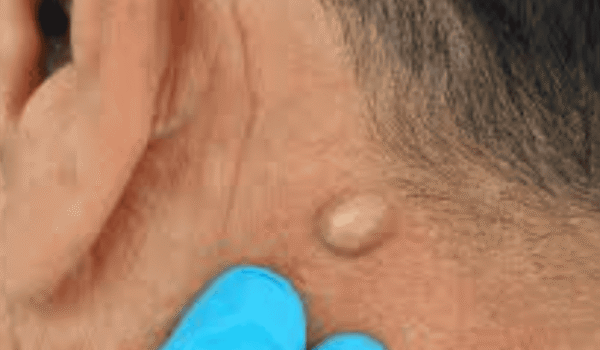
Lipoma lumps are among the most common noncancerous (benign) soft-tissue growths found in adults. These fatty lumps develop just under the skin and can appear anywhere on the body. While a lipoma may look or feel concerning, most lipoma lumps are harmless, slow-growing, and painless.
Understanding what lipomas are, what causes them, how they feel, and when you should see a doctor can help reduce worry and support better decision-making about your health.
A lipoma is a benign fatty tumor made of soft, rubbery fat cells trapped under the skin. Although the word “tumor” sounds alarming, lipomas are not cancerous and rarely become dangerous.
Lipomas can occur in people of all ages but are most common in adults between 40 and 60 years old.
Lipoma lumps typically have very distinct features. They often feel:
Soft or rubbery
Painless
Moveable under the skin (they glide when pressed)
Slow-growing
Round or oval in shape
Some lipomas may grow larger over time, but they usually remain harmless.
Symptoms that may accompany a lipoma include:
Visible bulge under the skin
Mild discomfort if the lipoma presses on nerves
Tenderness (rare)
Lipomas most commonly appear on:
Neck
Shoulders
Back
Arms
Thighs
Abdomen
Cancerous lumps (liposarcomas) are rare but different from lipomas.
A cancerous lump may be:
Harder or firmer
Larger and rapidly growing
Fixed in place (not movable)
Painful or tender
Irregular in shape
If a lump grows quickly, becomes painful, or feels significantly different from a typical lipoma, you should seek medical evaluation promptly.
The exact cause of lipomas is not fully understood, but common factors include:
Lipomas often run in families. Conditions like familial multiple lipomatosis cause multiple lipomas.
Some lipomas develop after trauma or blunt injury, although this connection is not always clear.
Certain conditions increase the likelihood of developing lipomas, such as:
Dercum’s disease
Madelung’s disease
Adiposis dolorosa
People between 40–60 years old are more likely to develop lipoma lumps.
Lipomas are not caused by obesity, even though they consist of fat tissue.
Yes—lipomas are very common. Most people who develop a lipoma have no underlying health problem. Many lipomas remain small and never cause complications.
No. Lipomas are noncancerous. They do not turn into cancer.
However, a lump that grows quickly, becomes painful, or feels very firm should be checked to rule out a more serious condition.
No. Lipomas are not caused by infection and do not spread through the body.
However, other lumps—such as abscesses—can resemble lipomas, which is why medical evaluation is sometimes needed.
If you visit a healthcare provider for a lipoma lump, they may perform:
Your doctor will check:
Size and shape
Texture
Mobility under the skin
Whether there is pain or tenderness
These are used when the lump is large or unusual:
Ultrasound
MRI
CT scan
Rarely required—only done if the lump has atypical features or rapid growth.
No. Lipomas usually do not shrink or disappear naturally.
However, many lipomas stay small and don’t cause symptoms, so no treatment is required.
Lipoma treatment depends on size, symptoms, and personal preference.
If the lipoma is small and painless, no treatment is necessary.
A small incision is made to remove the fatty lump completely. This is the most common and permanent treatment.
Used for large or soft lipomas; removes fatty tissue using suction.
May shrink the lipoma but won’t remove it entirely.
Lipomas do not respond to antibiotics or medication, as they are not infections.
While lipomas cannot always be prevented, you can maintain overall skin and soft-tissue health by:
Monitoring new lumps or changes
Maintaining a healthy weight
Staying physically active
Eating anti-inflammatory foods
Avoiding repeated skin trauma
Getting regular medical check-ups
Seek medical evaluation if you notice:
Rapidly growing lumps
Painful or tender lumps
Lumps larger than 5 cm
Lumps that feel firm or fixed
Lumps causing movement restriction
Changes in color or skin appearance
Early diagnosis helps ensure the lump is benign and manageable.
Yes. Some people develop several lipomas across the body, especially if they have a genetic predisposition.
No. Lipomas themselves do not turn into cancer.
Most are harmless. They only become concerning if they grow quickly or press on nerves.
No diet can remove a lipoma, but maintaining a balanced diet supports overall skin health.
Lipoma lumps are common, harmless fatty growths that typically require no treatment unless they become painful, large, or bothersome. Understanding the features, causes, symptoms, and treatment options for lipomas can help you make confident and informed decisions about your health. If you ever feel uncertain about a lump, always consult a healthcare provider for proper evaluation.

Comments are closed.








 drtomarswellness.com



2 Comments