No products in the cart.
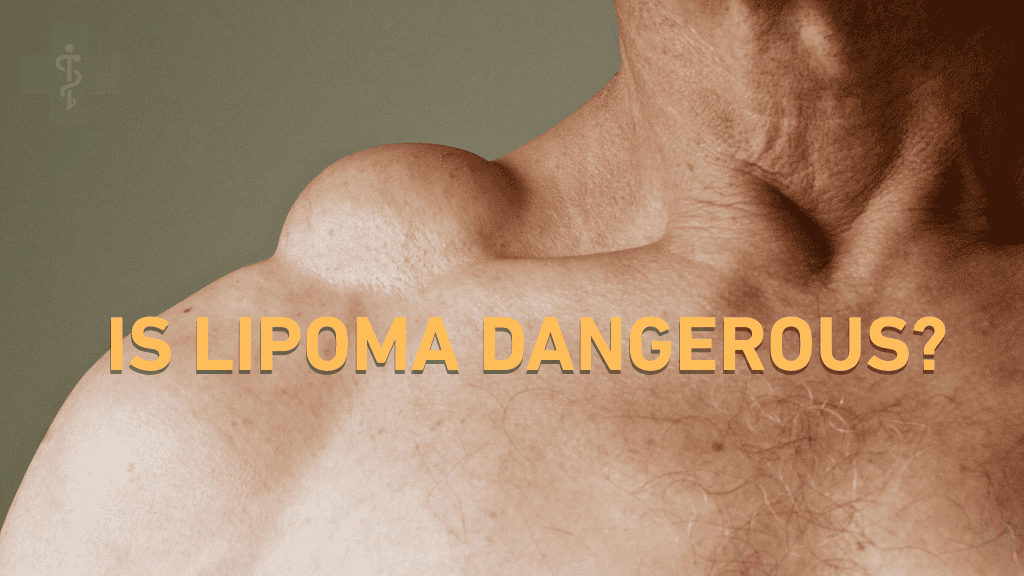

When you find a lump in your skin, you become anxious immediately. Numerous individuals create the worst in their minds and assume that it is cancer. A lipoma is one of the most widespread causes of such lumps. This, of course, brings out two highly frequented Google searches each day:
Is lipoma dangerous?
Is lipoma cancerous?
It is a yes, but the reason behind it takes time. We will also simplify it all in this detailed, search engine optimized guide, to ensure that you can clearly understand what lipomas are and when it is necessary to be worried and when it is not.
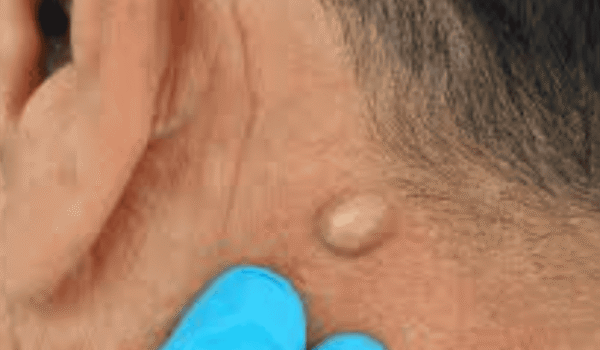
Lipoma is a benign (non-cancer) tumor comprising of fat cells. It develops directly below the skin and is amongst the most widespread growths of soft tissue in adults.
Lipomas:
Grow slowly
Feel soft or rubbery
Are usually painless
Is able to go a little with pressure
Most commonly located on the neck, shoulders, arms, back, thighs or the abdomen
They may be as small as a pea or a number of centimeters across. Others can have only one lipoma, and there are those who can grow many lipomas with time.
Lipomas do not pose any danger to a huge majority. They do not touch your internal organs, they do not disseminate all over the body, they do not decrease the lifespan.
Most lipomas:
Do not require treatment
Do not cause complications
Do not come in with day-to-day affairs
A lot of individuals go through their whole life with a lipoma and get no medical complications whatsoever.
In spite of the fact that lipomas are not harmful, there are some cases when they are able to be painful or worrying:
Pain or tenderness – In case the lipoma compresses the adjacent nerves
Limited movement – Particularly when around joints
Quick growth – Abnormal and needs assessment
Cosmetic issues – Lipomanias can be huge or visible with confidence
Treatment can be suggested in such instances, not because the lipoma is dangerous, but to enhance the quality of life.
A lipoma is a benign tumor, i.e.:
It does not have an extension to other body parts
It does not infiltrate the neighboring tissues
Neither does it act like cancer
This is one of the most significant facts that should be comprehended:
A lipoma does not develop into cancer.
This is a highly prevalent myth that brings needless fear.
In some cases, there are instances that individuals are confused between liposarcoma, a rare type of cancer and lipomas. Though they both are formed out of fatty tissue, both are entirely different conditions.
| Feature | Lipoma | Liposarcoma |
|---|---|---|
| Nature | Benign | Cancerous |
| Growth | Slow | Fast |
| Pain | Mostly painless | Mostly painful |
| Texture | Soft | Firm or hard |
| Movement | Freefully movable | Fixed |
| Risk | Harmless | Serious |
Liposarcoma is very rare as compared to lipoma. Notably, liposarcoma does not develop out of a preexisting lipoma.
Provided that a lump acts abnormally, the diagnosis is confirmed by the use of imaging or biopsy.
It is not always quite clear what causes lipomas, though some factors are usually linked with the development of lipomas:
Genetics – Lipomas are hereditary
Age – More common between ages 40-60
Minor injuries – These occur occasionally following a trauma
Medical conditions – Multiple lipoma may be as a result of rare syndromes
Being overweight
Eating fatty foods
Poor lifestyle habits
Skinny individuals provide as good an opportunity to get lipomas as anyone.
The lipomas may happen anywhere that there are fat cells but mostly they are found on:
Neck
Shoulders
Upper arms
Back
Thighs
Abdomen
They are found in few hands, feet, or internal organs.
Mostly, a doctor can diagnose a lipoma by simply examining the patient. In case of any doubt, further tests can be undertaken:
Ultrasound – To determine the nature of the lump
MRI scan or CT scan – In case of deep or large lipomas
Biopsy – Not very necessary, except in case of suspicion of cancer
These examinations are used to eliminate other diseases and offer mind rest.
Majority of Lipomas are asymptomatic.
If a lipoma is:
Small
Painless
Not growing
Not bothersome
Then does it not need no treatment. Simple observation is prescribed by doctors frequently.
Treatment may be advised if:
The lipoma causes pain
It grows rapidly
It interferes with movement
It affects appearance
Diagnosis is uncertain
Our Lipoma Treatment is a safe, non-invasive approach designed to help manage lipomas naturally—without cuts, stitches, or hospital visits. Formulated with carefully selected ingredients, it aims to support gradual reduction in size, relieve discomfort, and improve skin appearance while fitting easily into your daily routine. Ideal for those seeking a gentle, pain-free alternative to surgery with minimal downtime and a focus on overall well-being.
The most successful and widespread one
Basic outpatient treatment
Carried out in local anesthesia
Low recurrence rate
Used for larger lipomas
Smaller incision
Very slight increase in recurrence
May shrink lipoma
Leaves it not out altogether
The doctor will prescribe the most effective method depending on the size, location and symptoms.
The lipomas do not tend to recur when they have been removed through a complete surgery. However, in rare cases:
A new lipoma may form nearby
When removal is not done completely, it may recur
The presence of one lipoma does not exclude the possibility of acquiring another one in the future.
You are to consult medical advice when:
The lump grows quickly
The lump becomes painful
It feels hard or fixed
You notice skin changes
You feel unsure or anxious
Preventing worry is always superior to a worry that is not timely assessed.
Is lipoma life-threatening?
No, lipomas are not life-threatening.
Can lipoma go away on its own?
No, lipomas normally do not disappear unless they are removed.
Does lipoma increase the risk of cancer?
Nay, the presence of a lipoma does not predispose to cancer.
Can stress cause lipoma?
No scientific data is available that stress causes lipoma.
Lipoma is NOT dangerous
Lipoma is NOT cancerous
Lipoma does not transform into cancer
Although a lump may be very frightening, lipomas are considered to be one of the safest and the least damaging types of growths that an individual may possess. Awareness, not fear, is the key.
This is an educational blog and not a substitute of medical advice. In case of insomnia, lasting or progressing, it should be addressed by an experienced medical worker who will evaluate and treat the patient accordingly.
Chronic conditions require the right approach. If you are unsure which
medicine or treatment plan is suitable for your condition, our care team
is here to support you.
Share your concern with us and receive personalized guidance based on
your symptoms and health needs.









 drtomarswellness.com



Leave a comment