No products in the cart.
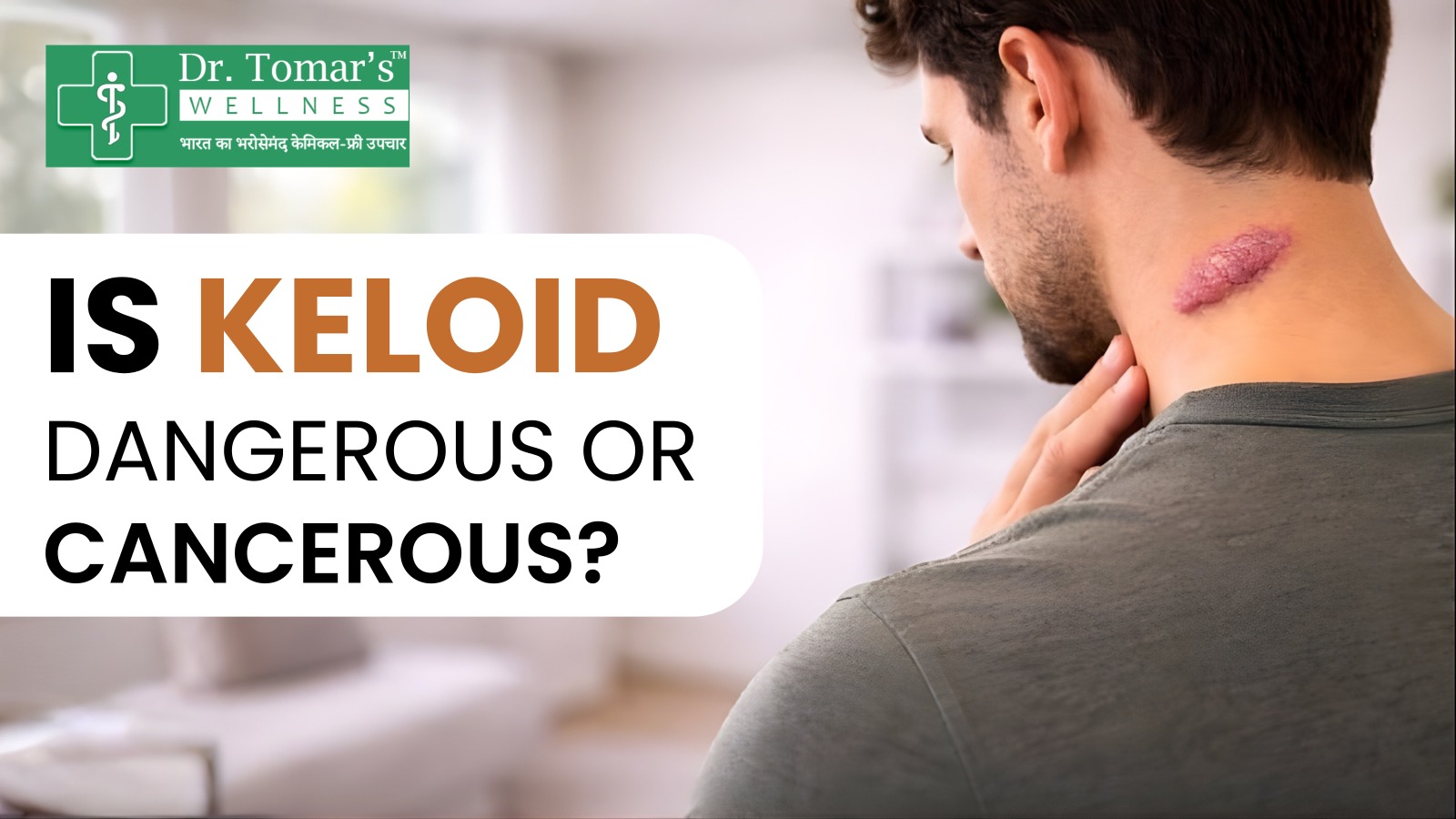
If you have a keloid that feels hard and constantly itchy, you are not alone. Many patients become worried when a scar becomes thick, firm, and uncomfortable instead of fading over time.
A common concern is:
“My keloid is hard and itchy. Is this normal, or is something wrong?”
In most cases, hardness and itching are typical features of a keloid. However, certain changes may require medical attention. Understanding what is happening beneath the skin can help reduce anxiety and guide the right next steps.
Let’s explore this clearly and responsibly.
A keloid is a type of raised scar that forms when the body produces excess collagen during wound healing. Unlike a normal scar, a keloid grows beyond the boundaries of the original wound.
Keloids can develop after:
Surgery
Acne
Piercings
Cuts or injuries
Burns
Vaccination sites
They commonly appear on the chest, shoulders, earlobes, jawline, and upper back.
A keloid feels hard because it contains dense bundles of collagen fibers. When the skin is injured, collagen is produced to repair the wound. In keloids, this process becomes overactive.
Instead of stopping once the wound heals, collagen production continues. This results in:
Thickened tissue
Firm texture
Raised surface
Tight feeling in the surrounding skin
The hardness does not automatically mean infection or cancer. It simply reflects the structure of scar tissue.
However, if the lump becomes extremely rigid, rapidly enlarges, or feels fixed deep inside the tissue, medical evaluation is recommended.
Itching is one of the most common symptoms of keloids.
There are several reasons why this happens:
When a keloid is actively growing, nerve endings in the area can become irritated. This often causes itching, tingling, or mild burning sensations.
As the keloid thickens, it stretches surrounding skin. This tension can trigger itching.
Keloids may have ongoing low-grade inflammation, which contributes to itchiness.
Itching does not necessarily mean the keloid is dangerous. In many cases, it indicates active scar tissue behavior.
Yes, it is common.
Many keloids:
Feel firm or rubbery
Cause intermittent itching
Occasionally feel tender
Become more symptomatic during growth phases
However, you should monitor changes carefully.
Seek medical evaluation if your keloid:
Grows very rapidly
Becomes extremely painful
Develops ulceration or bleeding
Changes color suddenly
Shows signs of infection (redness, warmth, pus)
Causes numbness or severe pressure symptoms
These signs are uncommon but should not be ignored.
Most hard and itchy keloids are benign and not life-threatening.
This is a frequent fear.
Keloids scars are benign scars and do not typically turn into cancer. Malignant transformation is extremely rare.
If a lesion changes dramatically in shape, texture, or behavior, proper evaluation is important — but routine hardness and itching alone are not signs of cancer.
Some patients notice itching increases at night.
Possible reasons include:
Increased skin dryness
Reduced distractions (you notice sensations more)
Temperature changes
Hormonal fluctuations
Keeping the area moisturized and avoiding friction can sometimes reduce nighttime itching.
Management depends on severity.
Keeping the area hydrated may reduce surface irritation.
These are commonly recommended to soften and flatten keloids over time.
Scratching can worsen inflammation and stimulate further collagen production.
In more symptomatic cases, steroid injections may reduce thickness and itching.
Certain laser treatments can reduce redness and discomfort.
Treatment should be individualized after proper medical consultation.
Not always.
Some keloids remain firm even after growth stabilizes. Others soften over time.
Signs that growth may still be active include:
Increasing size
Worsening itching
Progressive thickening
Darkening color
If your keloid has remained stable in size for years, it may simply be mature scar tissue.
While stress does not directly cause keloids, it can influence inflammation and skin sensitivity. Some patients report increased itching during stressful periods.
Supporting overall well-being through adequate sleep, hydration, and stress management may help reduce symptom flare-ups.
If your keloid is hard and itchy:
Monitor changes in size and color.
Avoid trauma or friction to the area.
Keep the skin moisturized.
Seek evaluation if symptoms worsen.
Avoid unproven home remedies that may irritate the skin.
Early professional guidance can help prevent worsening.
Keloids may soften slightly over time but often remain firm unless treated.
Sometimes itching decreases once the keloid stops actively growing.
Yes. Scratching may increase inflammation and stimulate further growth.
Removal depends on size, symptoms, and recurrence risk. Surgical decisions should be made carefully.
If your keloid is hard and itchy, it usually reflects active or mature scar tissue — not something dangerous.
Hardness comes from dense collagen buildup. Itching often signals inflammation or skin tension.
While these symptoms are common, sudden or dramatic changes should always be evaluated.
The most important step is proper diagnosis and guided treatment rather than fear-based decisions.
Monitoring, responsible care, and professional consultation provide the safest path forward.
Dr. Jitender Tomar is an Electropathy practitioner with 23+ years of clinical experience in natural and holistic healthcare. Through Dr Tomars Wellness, he shares educational insights on preventive health, early disease symptoms, and lifestyle-based wellness approaches to help readers make informed health decisions.






 drtomarswellness.com




Leave a comment