No products in the cart.
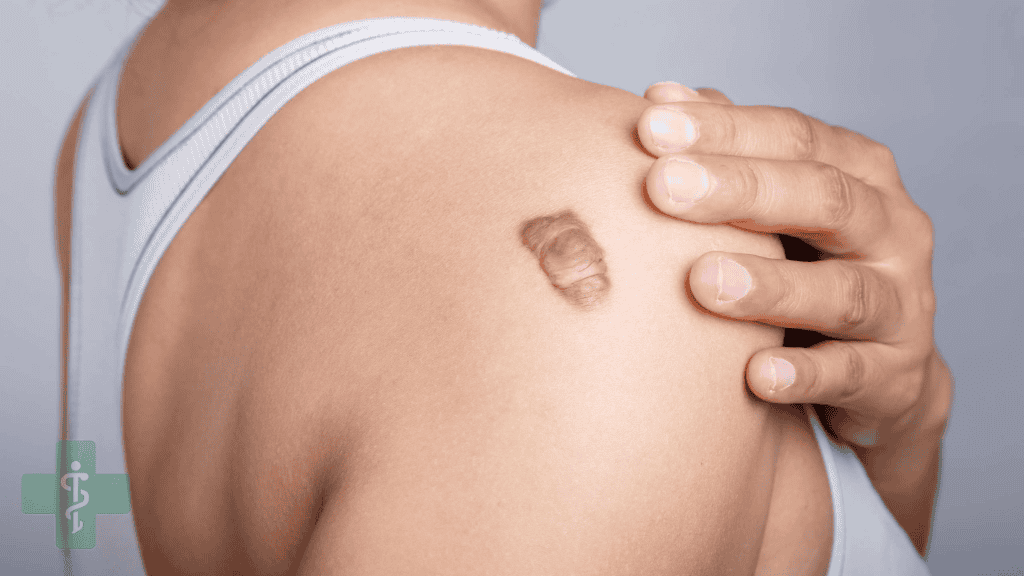
Keloid scars can be frustrating, uncomfortable, and emotionally distressing. Unlike normal scars, keloids grow beyond the original wound and may continue to thicken over time. Many people searching for the best treatment for keloid scars are often confused by conflicting advice, aggressive procedures, and recurring scars even after treatment.
This guide explains what actually works, what doctors recommend, and how non-surgical, long-term care can support keloid scar management safely.
Keloid scars form when the body produces excess collagen during the healing process. Instead of stopping once the wound closes, scar tissue continues to grow, creating a raised, firm, and sometimes itchy or painful scar.
Surgical wounds
Acne scars
Piercings
Burns or cuts
Genetic tendency
Keloids are not dangerous, but they can affect comfort, confidence, and skin health.
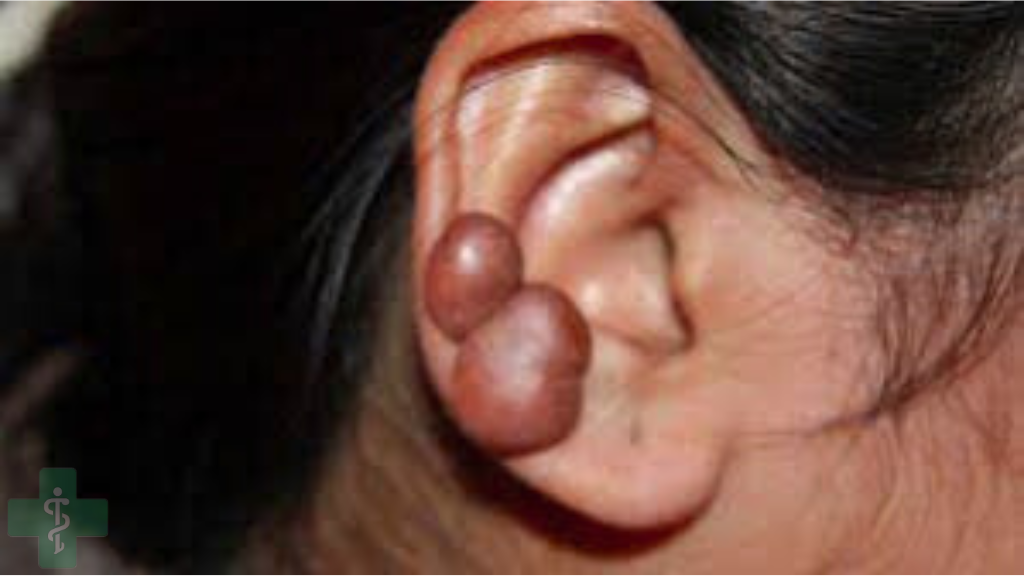
One of the biggest challenges with keloids is recurrence. Even after removal, keloids can return—sometimes larger than before.
Medical studies and dermatology guidelines agree on one key point:
There is no single instant cure for keloid scars.
The best treatment approach depends on:
Scar size and age
Location on the body
Skin type
Individual healing response
This is why dermatologists often recommend long-term management, not quick fixes.
Dermatologists may suggest one or more of the following treatments:
Reduce inflammation and thickness
Require multiple sessions
Can cause skin thinning or color changes
Helps flatten scars and reduce redness
Expensive and requires repeated treatments
High recurrence risk if done alone
Often combined with steroids or radiation
Common first-line option
Works best on newer scars
⚠ Important: Even with medical procedures, keloids may recur. This is why many doctors emphasize ongoing care and prevention.
From a medical perspective, the best treatment is not a single procedure—it is a consistent, individualized plan that focuses on:
Reducing inflammation
Supporting balanced healing
Softening thick scar tissue
Preventing further growth
This is where non-surgical and holistic approaches play an important role, especially for people who:
Want to avoid injections or surgery
Have recurring keloids
Need long-term skin support
Natural and non-surgical treatments do not claim instant removal, but they can support:
Scar softening over time
Reduced itching and redness
Improved skin texture
Healthier healing responses
Many dermatologists agree that gentle, long-term topical and internal support can be helpful—especially when used consistently.
For individuals looking for a safe, natural, and non-invasive option, a structured plan that works both internally and externally can support keloid scar management over time.
One such option is the
👉 Best Treatment for Keloid Scars – 4 Month Pro Plan by Dr Tomars,
which combines:
Herbal drops for internal support
Herbal cream for topical scar care
This approach is designed to:
Support balanced healing responses
Help soften thick, raised tissue
Calm redness, irritation, and itching
Improve overall skin appearance gradually
🔗 You can explore the complete treatment plan here:
Best Treatment for Keloid Scars – 4 Month Pro Plan
This type of approach may be suitable for:
Individuals with long-standing keloid scars
Those who cannot undergo procedures
People with recurring scars after injections or surgery
Anyone seeking chemical-free, gentle care
Consistency is key. Keloid scars change slowly, and visible improvement often requires months, not weeks.
It’s important to set realistic expectations, especially for medical-related concerns.
With consistent, long-term care:
Scars may gradually soften
Redness and itching may reduce
Skin texture may improve
Scar progression may be better managed
⚠ Results vary based on individual skin type, scar size, and duration.
If you are prone to keloids:
Avoid unnecessary skin trauma or piercings
Treat wounds early and gently
Avoid scratching or irritating scars
Maintain consistent scar care
Prevention is often as important as treatment.
Natural treatments can support scar care and long-term management, especially when used consistently. They are often used alongside or after medical treatments.
Non-surgical treatments focus on gradual improvement and scar management rather than instant removal.
Keloids respond slowly. Most approaches require several months of consistent care.
There is no universal cure for keloid scars—but there are safe, effective ways to manage them.
The best treatment for keloid scars is one that:
Is medically responsible
Matches your comfort level
Supports long-term skin health
Avoids unnecessary risks
For those seeking a gentle, non-surgical, and holistic option, the
👉 Best Treatment for Keloid Scars – 4 Month Pro Plan by Dr Tomars
offers a structured approach focused on consistency, safety, and skin support.
This content is for educational purposes only and does not replace professional medical advice. Always consult a qualified healthcare professional for diagnosis and treatment options.
you can visit our social media for more medical informational guides. click here







 drtomarswellness.com



1 Comment