No products in the cart.
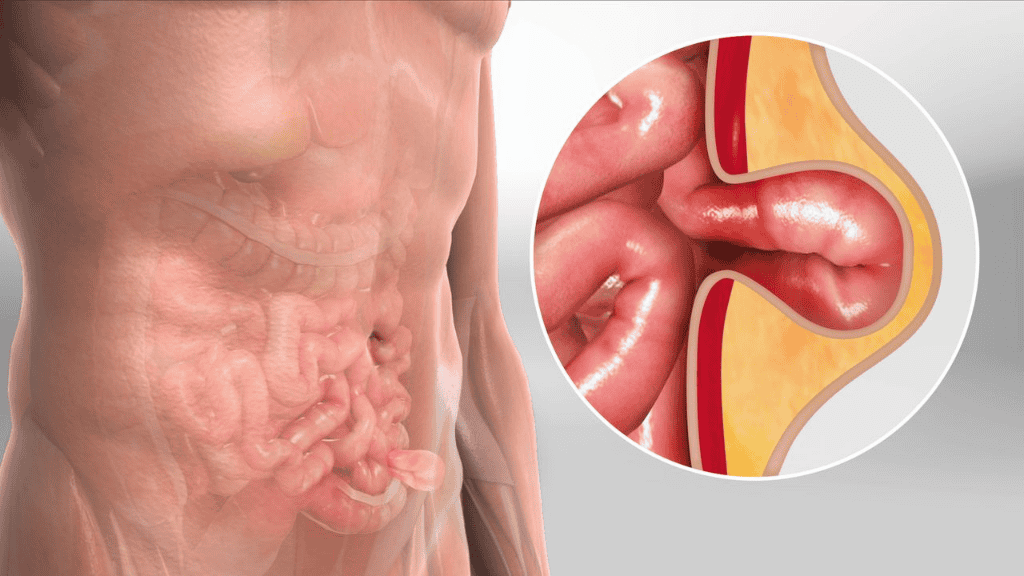

A hernia is one of those health problems many people notice—but choose to ignore. A small bulge that appears when you stand. Mild pain that comes and goes. Discomfort that feels manageable for now. Life is busy, and it’s easy to tell yourself, “I’ll deal with it later.”
But here’s the honest truth: Hernia Treatment is must. What starts as mild discomfort can gradually turn into pain, restricted movement, or even a medical emergency if left untreated.
This detailed guide is written in simple, human language to help you understand what a hernia really is, how it feels in everyday life, and why early treatment—especially from a trusted local specialist—can make recovery easier and safer.
A hernia occurs when an internal organ or tissue pushes through a weak area in the muscle or connective tissue that is supposed to hold it in place. This creates a bulge that you may see or feel, especially when standing, coughing, or lifting something heavy.
Hernias most commonly appear in the:
Abdomen
Groin
Belly button area
Upper stomach (chest area, in some cases)
A hernia may reduce or disappear when you lie down, which often tricks people into thinking it’s not serious. However, the weakness in the muscle remains—and usually worsens over time.
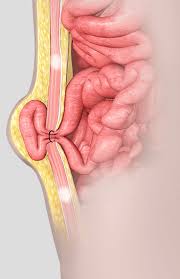
Medical descriptions don’t always capture what people actually experience. Many patients describe living with a hernia like this:
“There’s a bulge that wasn’t there before.”
“It aches after a long day at work.”
“I feel pressure when I lift, bend, or stand too long.”
“The pain isn’t constant, but it’s always there in the background.”
A visible or noticeable bulge
Pain or discomfort while lifting, coughing, or bending
A heavy or dragging sensation
Burning or aching pain
Discomfort that worsens by evening
Relief when lying down
🚨 Warning signs that need urgent care include severe pain, vomiting, redness, fever, or a bulge that cannot be pushed back in.
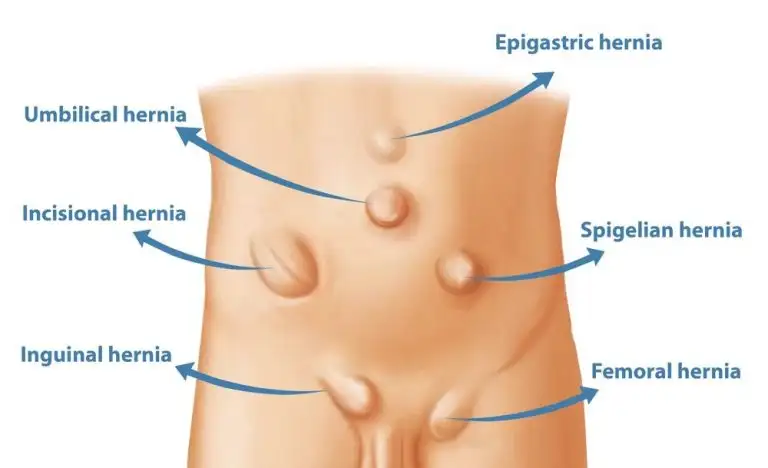
Understanding the type of hernia helps determine the safest and most effective treatment.
The most common type
Occurs in the groin area
More common in men
May extend into the scrotum
Appears near the belly button
Common in infants and adults
Often linked to obesity or pregnancy
Develops at the site of a previous surgery
Caused by weakness in healed surgical tissue
Upper stomach pushes into the chest
Often causes acid reflux or heartburn
Not always visible as a bulge
Appears near the upper thigh
More common in women
Higher risk of complications
Each type behaves differently and needs a personalized treatment plan.
Hernias usually form due to a combination of muscle weakness and strain.
Common contributing factors include:
Heavy lifting without proper support
Chronic coughing
Constipation and straining during bowel movements
Obesity
Pregnancy
Aging and muscle weakening
Previous abdominal surgery
Smoking (affects tissue strength and healing)
Some people are born with weaker muscle areas, making them more prone to hernias later in life.
Diagnosing a hernia is usually straightforward and does not involve painful tests.
Physical examination while standing and coughing
Ultrasound scan (if needed)
CT scan for complex or hidden hernias
Endoscopy for hiatal hernia
Early diagnosis often means simpler surgery and faster recovery.
This is one of the most common questions—and the answer is important.
👉 There is no permanent non-surgical cure for a hernia.
Support belts or trusses may temporarily reduce discomfort, but they:
Do not repair the muscle weakness
Do not stop the hernia from growing
Do not prevent complications
Surgery is the only effective and lasting treatment.
Modern hernia treatment is safer and more advanced than ever before. The right option depends on the hernia type, size, and your overall health.
Stay informed about the latest advancements in Hernia Treatment.
Hernia Treatment can range from lifestyle changes to advanced surgical procedures.
Consider second opinions for Hernia Treatment to ensure the best approach.
Hernia Treatment varies; consult with specialists for tailored advice.
Being proactive can lead to better outcomes in Hernia Treatment.
Follow up with your doctor after Hernia Treatment to monitor progress.
Ask about minimally invasive Hernia Treatment options for faster recovery.
Understanding your diagnosis can help you choose the right Hernia Treatment.
Research your options to find the best Hernia Treatment available.
Inquire about rehabilitation after Hernia Treatment to ensure a smooth recovery.
Each patient’s needs vary; personalized Hernia Treatment is recommended.
Inform your surgeon about all medications before Hernia Treatment.
Post-operative care is essential in Hernia Treatment for optimal recovery.
Modern Hernia Treatment techniques are designed to minimize recovery time.
Discuss your symptoms with a doctor to determine the best Hernia Treatment.
Understanding the options for Hernia Treatment helps you make informed decisions.
Choosing the right Hernia Treatment is crucial for recovery.
Effective Hernia Treatment can significantly improve your quality of life.
Traditional method
A single incision over the hernia
Strong repair using sutures or mesh
Small incisions
Less pain after surgery
Faster recovery
Minimal scarring
Lower recurrence rate in many cases
Your surgeon will recommend the best approach based on your lifestyle, work demands, and medical history.
Many people fear surgery because they imagine long hospital stays and painful recovery. In reality:
Most hernia surgeries take less than an hour
Many patients go home the same day or next day
Modern anesthesia keeps you comfortable
Pain is usually mild and well-controlled
Knowing what to expect helps reduce fear and anxiety.
Recovery depends on the type of surgery, but most patients are surprised by how quickly they feel better.
Light walking: same or next day
Return to daily activities: within a few days
Office work: 1–2 weeks
Heavy lifting: after doctor’s approval
Following post-surgery instructions carefully helps prevent recurrence.
Delaying treatment increases the risk of serious complications, including:
Incarcerated hernia – trapped tissue
Strangulated hernia – cut-off blood supply
Severe pain and vomiting
Emergency surgery
Early treatment is always safer, easier, and less stressful.
Do not ignore a hernia if:
The bulge is growing
Pain is increasing
Daily activities are affected
You feel nausea or vomiting
The hernia becomes hard or tender
Seeing a doctor early gives you more treatment choices and peace of mind.
If you suspect a hernia, consulting an experienced local surgeon can help you get the right diagnosis and treatment without delay.
✔ Accurate assessment
✔ Advanced surgical techniques
✔ Faster recovery
✔ Reduced risk of complications
👉 Book a consultation today and take the first step toward living pain-free again.
you can also visit our clinic here
Yes. Hernia repair is one of the most common and safest surgeries when performed by experienced surgeons.
Recurrence is rare with modern techniques, especially when post-operative instructions are followed.
Some hernias remain mild for a time, but delaying treatment increases the risk of emergency complications.
For many patients, yes—it offers less pain, smaller scars, and quicker recovery.
Chronic conditions require the right approach. If you are unsure which
medicine or treatment plan is suitable for your condition, our care team
is here to support you.
Share your concern with us and receive personalized guidance based on
your symptoms and health needs.









 drtomarswellness.com



Leave a comment