No products in the cart.
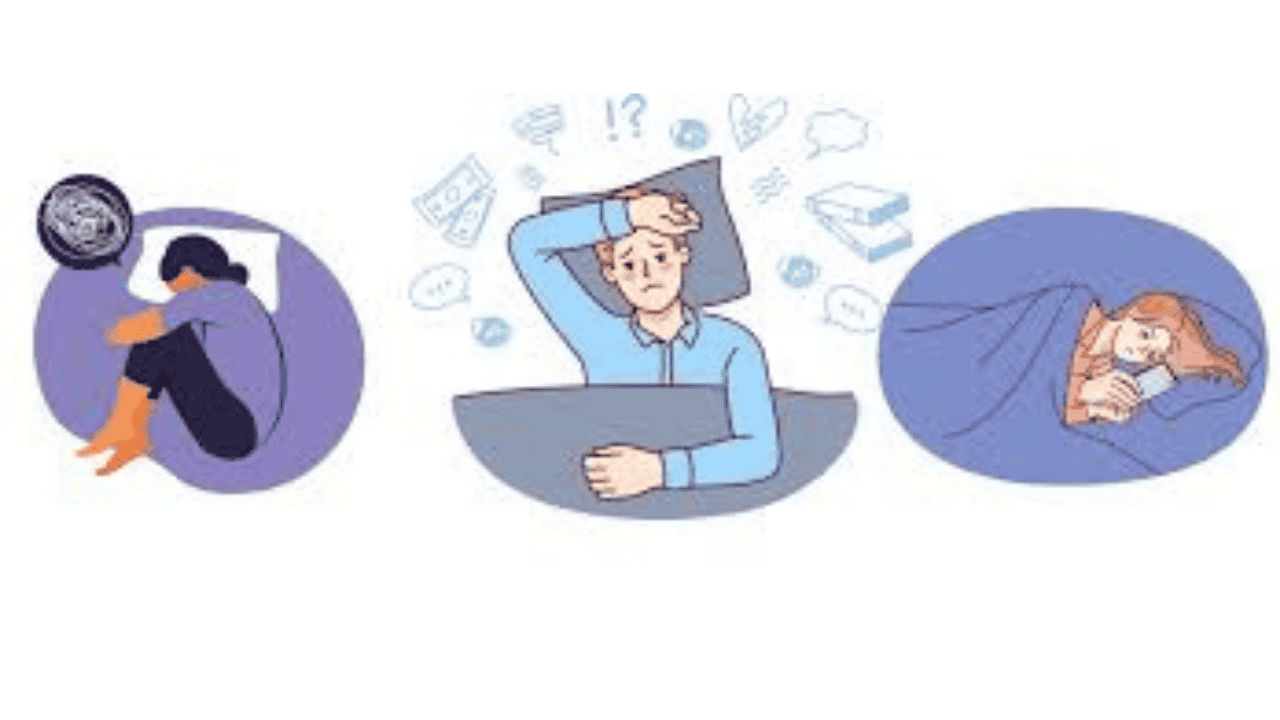

Sleepless nights are not unusual but when the sleep problems are frequent and begin to influence the daily life, they should not pass unnoticed. Learning more about insomnia is the starting point to regaining the normal healthy sleep.Sleep is not a luxury, it is one of the fundamental needs of a biology. However, a good night sleep seems frustratingly beyond reach to millions of people. Insomnia is one of the most widespread disorders that occur in all people, regardless of their age or lifestyle. Some have difficulties in falling asleep, others wake up during the night every now and then and most of them wake up very early in the morning exhausted and not having slept.

Insomnia is a sleeping disorder whereby one experiences the inability to sleep:
Falling asleep
Staying asleep
Waking up too early
Being rested after a sleep
Insomnia may be both short term (acute) and long term (chronic). Chronic insomnia is also a recurring condition at least three out of seven nights a week over a period of time and it usually influences physical, emotional and mental functioning in general.
This is temporary insomnia that can take few days or weeks. It is often caused by:
Stress
Anxiety
Travel
Changes in routine
Emotional events
Acute insomnia normally recovers as soon as the cause has been eliminated.
Long-term insomnia is prolonged and may be associated with:
Long-term stress
Anxiety or depression
Hormonal imbalance
Medical conditions
Poor sleep habits
This type of insomnia may need a more detailed and integrated solution.
There is hardly a single cause of insomnia. It usually happens to be a combination of various factors.
Some common causes include:
Stress and overthinking of the mind
Freedom or emotional disruptions
Spending too much time in front of the screen at night
Irregular sleep schedule
Consumption of caffeine or alcohol
Poor sleep environment
Hormonal changes
Chronic pain or discomfort
Contemporary life, continuous digital experiences, and the absence of a routine is a significant factor in sleeping disorders in the present day.
The insomnia patients may suffer:
Problems with sleeping at night
Periodic wake-ups in the sleep
Waking up too early
Being fatigued or unrefered in the mornings
Daytime fatigue
And anger, or change of mood
Lack of concentration and memory
Reduced productivity
In the long term, the insomnia with no treatment may impact on the mental health, immunity and the quality of life.

The body has many systems closely related to sleep. In the case of long-period disturbance of sleep:
Stress levels are still high
Emotional equilibrium is influenced
Decision making and attention are reduced
Exposure to lifestyle disorders is heightened
Insomnia is not only a sleeping issue, but it affects the mood, thoughts and the daily operations of a person.
The traditional treatment of insomnia might involve:
Sleep hygiene counseling
Stress management
Behavioral therapy
Temporary use of sleeping drugs
Although drugs can help in the short term, they are not regarded as a permanent solution because they are addictive and have side effects. That is why natural and lifestyle-oriented methods of improving sleep sustainability are investigated by many people.
The concept of natural sleep support is aimed at bringing the body back to a regular rhythm and not to impose sleep.
It is possible to sleep and wake up at the same time every day in order to regulate the clock.
Make the bedroom dark, quiet and cold
Use comfortable bedding
Do not look at the screen within an hour of bedtime
Practices like:
Deep breathing
Meditation
Gentle stretching
has the power to relax the nervous system at night.
The use of caffeine and alcohol may interfere with normal sleep patterns, even when taken earlier in the day.
Unresolved day time stress is likely to manifest itself at night. Mental load can be alleviated by journaling, light exercise and relaxation.
A large number of individuals resort to the use of herbs and natural sleep support to assist in soothing the mind and allowing it to sleep well. Traditional wellness systems have traditionally been utilizing herbs to:
Relax the nervous system
Reduce mental restlessness
Support hormonal balance
Promote more intensive and restorative sleep
Herbal methods are mild and slow and are typically aimed at prolonged equilibrium, as opposed to immediate tranquilization.
Self-prescription should never be done without proper guidance and natural remedies are used in cases where there are persistent or severe sleeping problems.
Natural and lifestyle-based interventions can be useful for:
Individuals suffering insomnia due to stress
People with abnormally sleeping patterns
Individuals with mild to moderate sleeping problems
Individuals seeking non-addictive sleep aid
Whenever there is severe or long-term insomnia, an individual should seek the advice of a medical professional.
Among the greatest fallacies that individuals commit when dealing with insomnia is to take fast results. The improvement of natural sleep needs:
Consistent routines
Patience
Lifestyle discipline
Sleep habits do not change overnight and, more often, tend to improve during the weeks. Minor adjustments on a daily basis can generate significant long-term outcomes.
The problem with insomnia is not only a problem with not being able to sleep but also an indicator of a lack of balance in the body. With the knowledge of insomnia causation and change of lifestyles, stress, and sleep, a lot of individuals can experience beneficial changes in the quality of their sleep.
Healthy sleep does not involve imposing sleep but rather establishing a proper environment that will allow the body and mind to rest.
Through knowledge, practice, and proper guidance, sleep will become a normal occurrence once again.
This is an educational blog and not a substitute of medical advice. In case of insomnia, lasting or progressing, it should be addressed by an experienced medical worker who will evaluate and treat the patient accordingly.
Chronic conditions require the right approach. If you are unsure which
medicine or treatment plan is suitable for your condition, our care team
is here to support you.
Share your concern with us and receive personalized guidance based on
your symptoms and health needs.









 drtomarswellness.com



Leave a comment