No products in the cart.
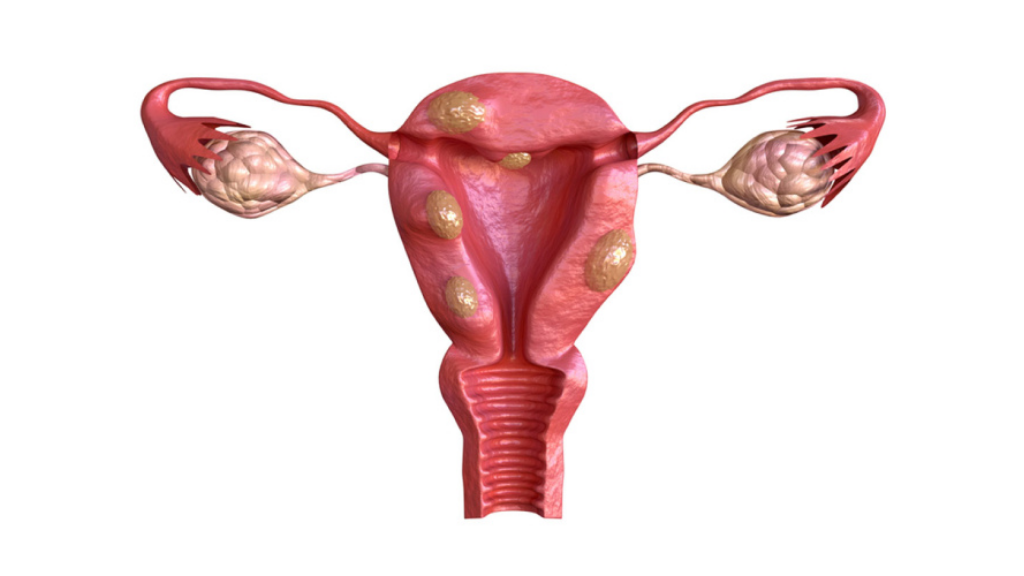

Uterine fibroids are a common women’s health condition, yet many women live with them for years without clear answers. If you’ve been experiencing heavy periods, pelvic pain, or unexplained bloating, uterine fibroids could be the reason.
In this guide, we’ll explain uterine fibroids in simple, human language, covering symptoms, causes, diagnosis, and treatment options—so you can make informed decisions and seek the right care locally.
Uterine fibroids (also called leiomyomas) are non-cancerous growths that develop in or around the uterus. They vary in size—from as small as a seed to as large as a melon—and can appear alone or in clusters.
Most fibroids are benign and manageable, especially when diagnosed early.
Some women have fibroids without any symptoms. Others experience discomfort that affects daily life.
Heavy or prolonged menstrual bleeding
Painful periods
Pelvic pain or pressure
Frequent urination
Lower back pain
Pain during intercourse
Abdominal bloating or swelling
Difficulty getting pregnant (in some cases)
👉 If these symptoms persist, it’s important to consult a local gynecologist for evaluation.
The exact cause isn’t fully known, but several factors increase the risk:
Hormonal imbalance (estrogen and progesterone)
Family history of fibroids
Age (most common between 30–50 years)
Obesity
Early menstruation
Lifestyle factors such as stress and poor diet
Fibroids are classified based on where they grow:
Intramural fibroids – Grow within the uterine wall
Submucosal fibroids – Grow inside the uterine cavity (often cause heavy bleeding)
Subserosal fibroids – Grow outside the uterus
Pedunculated fibroids – Attached by a stalk
Each type may require a different treatment approach.
Diagnosis is usually quick and non-invasive.
Pelvic examination
Ultrasound (most common)
MRI scans (for detailed evaluation)
Hysteroscopy (in selected cases)
Early diagnosis helps prevent complications and expands treatment options.
Women often normalize symptoms until they become overwhelming. Here’s how fibroids usually show up in real life:
Periods that last longer than 7 days
Bleeding so heavy it affects work, travel, or sleep
Constant bloating or a “full” lower belly
Pelvic pain or pressure that doesn’t go away
Feeling tired or weak due to low iron
Frequent bathroom trips
Difficulty getting pregnant or repeated pregnancy loss (in some cases)
⚠️ If these symptoms sound familiar, it’s time to consult a local gynecologist.
Treatment depends on symptoms, size, age, and fertility goals.
Pain relief medication
Hormonal therapy
Iron supplements (for anemia caused by heavy bleeding)
Fibroid embolization
Laparoscopic procedures
Myomectomy (fibroid removal, uterus preserved)
Hysterectomy (uterus removal, recommended in severe cases)
⚠️ Treatment should always be personalized after consultation with a qualified specialist.
Fibroids can’t always be prevented, but risk can be reduced by:
Maintaining a healthy weight
Eating a balanced, fiber-rich diet
Managing stress
Regular gynecological checkups
Avoiding self-medication
Seek medical help if you experience:
Excessive bleeding
Severe pelvic pain
Rapid abdominal enlargement
Difficulty conceiving
Sudden worsening of symptoms
Early treatment leads to better outcomes and faster recovery.
If you suspect uterine fibroids or have ongoing symptoms, don’t ignore them. Consult a trusted local women’s health specialist to get accurate diagnosis and personalized treatment.
👉 Book an appointment today and take control of your reproductive health.
you can visit the clinic also click here
Chronic conditions require the right approach. If you are unsure which
medicine or treatment plan is suitable for your condition, our care team
is here to support you.
Share your concern with us and receive personalized guidance based on
your symptoms and health needs.








 drtomarswellness.com



Leave a comment