No products in the cart.
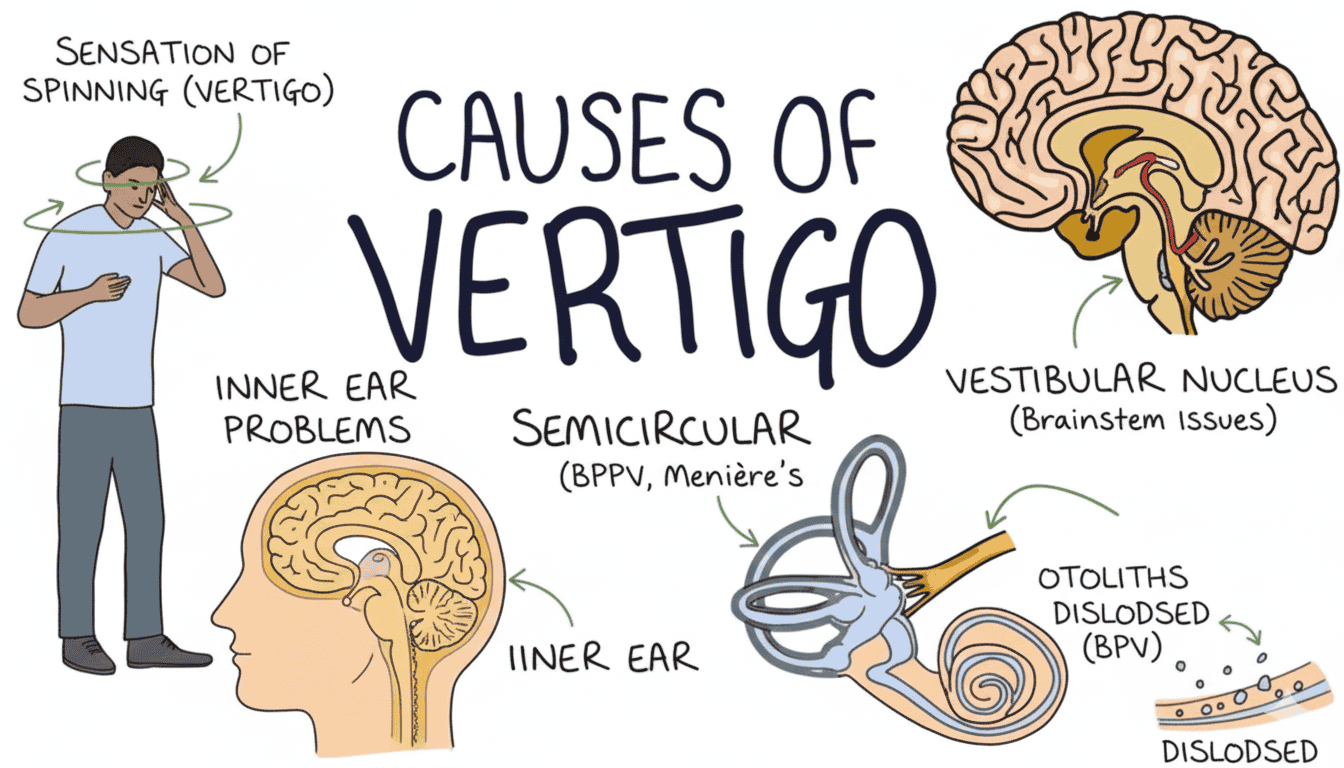

Vertigo is a common condition that affects millions of people worldwide and can significantly impact daily life. It is characterized by a false sensation of movement, often described as spinning, tilting, or swaying, even when a person is standing still. Vertigo can lead to dizziness, nausea, balance problems, and difficulty concentrating, interfering with sleep, work, and overall well-being.
Understanding the causes, symptoms, diagnosis, and treatment options for vertigo can help manage the condition more effectively and reduce the risk of recurring episodes.
Vertigo is not a disease, but a symptom of an underlying problem, usually related to the inner ear, balance system, or nervous system. It occurs when there is a mismatch between signals sent to the brain by the inner ear, eyes, and sensory nerves.
Vertigo may be classified as:
Acute Vertigo: Sudden onset, lasting minutes to days
Subacute Vertigo: Persists for weeks
Chronic Vertigo: Lasts several months or longer
Recurrent Vertigo: Repeated episodes over time
Several conditions can trigger vertigo:
The most common cause of vertigo.
Benign Paroxysmal Positional Vertigo (BPPV)
Vestibular neuritis
Meniere’s disease
Viral or bacterial infections affecting the inner ear can disrupt balance.
Migraine-associated vertigo can occur even without headache.
Trauma can damage balance organs or nerves.
Reduced blood flow to the brain can cause dizziness and vertigo.
Less commonly, vertigo may be linked to:
Stroke
Multiple sclerosis
Brain tumors
Symptoms vary depending on the cause and severity.
Spinning or whirling sensation
Dizziness
Loss of balance
Nausea or vomiting
Feeling pulled to one side
Headache
Sweating
Ringing in the ears (tinnitus)
Hearing loss
Blurred vision
Fatigue
If vertigo symptoms persist, worsen, or recur frequently, medical evaluation is advised.
Diagnosis focuses on identifying the underlying cause.
Your healthcare provider will ask about symptom duration, triggers, and frequency.
Balance, coordination, and eye movement tests are performed.
Tests like the Dix-Hallpike maneuver help diagnose BPPV.
In some cases:
MRI
CT scan
Used when inner ear involvement is suspected.
Treatment depends on the cause and severity of symptoms.
Helpful for mild or occasional vertigo:
Avoid sudden head movements
Adequate hydration
Proper rest and sleep
Stress management
Balance and vestibular exercises
May be prescribed based on cause:
Anti-vertigo medicines
Antiemetics for nausea
Antihistamines
Medications for migraines
For persistent or severe vertigo:
Canalith repositioning maneuvers (for BPPV)
Vestibular rehabilitation therapy
Treatment of underlying neurological or ear conditions
Although vertigo cannot always be prevented, these steps may reduce frequency:
Manage stress effectively
Treat ear infections promptly
Control blood pressure
Maintain good posture
Avoid excessive alcohol and caffeine
Stay physically active with balance exercises
Seek medical attention if you experience:
Vertigo lasting more than a few days
Sudden severe headache
Vision problems
Difficulty speaking
Weakness or numbness in limbs
Recurrent vertigo episodes
These may indicate a serious underlying condition.
No, vertigo itself is not contagious. However, infections that cause vertigo may spread.
Yes, many cases resolve naturally, especially BPPV, but persistent cases require treatment.
Yes. Anxiety and stress can worsen or trigger vertigo symptoms.
Episodes can last seconds, minutes, hours, or days, depending on the cause.
Vertigo can be a distressing and disruptive condition, but in most cases, it is manageable with proper diagnosis, treatment, and lifestyle adjustments. While mild episodes may resolve on their own, persistent or severe vertigo should never be ignored.
Understanding vertigo empowers individuals to seek timely care, reduce symptom severity, and improve overall quality of life.
This content is for informational purposes only and does not replace professional medical advice. Always consult a qualified healthcare provider for diagnosis and treatment.









 drtomarswellness.com