No products in the cart.
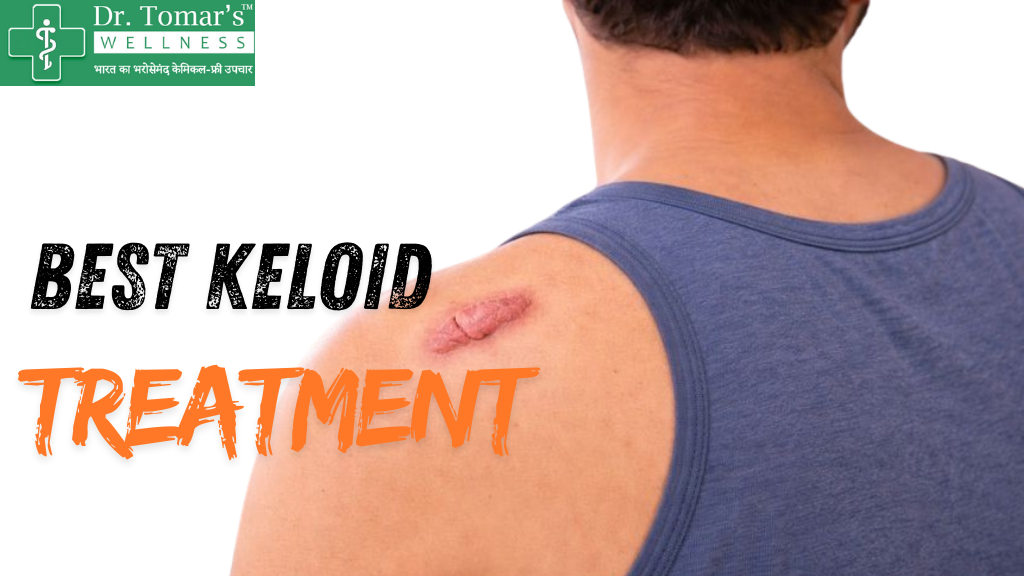
Keloid scars are more than just raised marks on the skin. They can be uncomfortable, persistent, and emotionally challenging. Unlike ordinary scars that fade over time, keloids continue to grow beyond the original wound and may remain for years if not managed properly.
If you are searching for the best keloid treatment in Gujarat, the most important thing to understand is this: keloids require structured, long-term care. Quick fixes often fail because they do not address the underlying cause — overactive collagen production.
This guide provides medically aligned, experience-based information about keloids, their causes, why they recur, and the safest treatment approaches available in Gujarat.
A keloid is a type of abnormal scar that forms when the body produces excessive collagen during healing. Collagen is necessary for repairing skin, but in some individuals, the repair process does not stop at the right time. As a result, thick, firm scar tissue continues to build up and spreads beyond the original injury.
Keloids may appear:
Pink, red, or dark brown
Smooth or shiny
Firm and rubbery
Larger than the initial wound
They commonly develop on the chest, shoulders, upper back, jawline, and ears.
Keloids can form after even minor skin trauma. Common triggers include:
Surgical incisions
Burns
Acne lesions
Ear or body piercings
Vaccination marks
Cuts or scratches
Tattoo procedures
Some individuals have a genetic tendency to develop keloids, especially those with darker skin tones. A family history of keloids increases the likelihood of recurrence.
Keloids are not simply cosmetic scars. They are the result of an ongoing imbalance in the skin’s healing mechanism.
Overactive fibroblast cells
Excess collagen production
Persistent low-grade inflammation
Increased sensitivity to trauma
Because of these factors, surgical removal alone often leads to regrowth — sometimes even larger than before. This is why the best keloid treatment in Gujarat focuses on stabilizing the scar environment rather than aggressive removal.
Several medical approaches are available. The choice depends on scar size, location, symptoms, and recurrence history.
Steroid injections are commonly used to reduce inflammation and soften scar tissue.
How they help:
Decrease scar thickness
Reduce redness
Minimize itching and pain
Limitations:
Require multiple sessions
Temporary discomfort
Possible recurrence
Laser treatment targets blood vessels in the scar to reduce redness and improve texture.
Advantages:
Non-surgical
Minimal downtime
Cosmetic improvement
Limitations:
Multiple sessions required
Higher cost
Does not fully correct collagen imbalance
Surgical excision removes visible scar tissue but must be combined with preventive therapy.
Important Note:
Surgery alone carries a high recurrence rate and is usually recommended only for selected cases under expert supervision.
Across Gujarat, many patients are now choosing non-surgical approaches for managing keloids.
Lower risk of aggressive regrowth
No surgical trauma
Suitable for sensitive skin
Focus on gradual collagen control
Minimal downtime
Rather than cutting out the scar, structured non-surgical plans aim to calm inflammation and regulate the healing process over time.
A well-designed treatment plan may include supportive internal and topical care. When guided properly, holistic approaches can complement medical therapies.
Reduces itching and discomfort
Improves scar flexibility
Gradually softens raised tissue
Supports balanced healing
The key is consistency. Irregular treatment often leads to incomplete results.
An effective keloid treatment plan is:
Personalized to scar size and history
Focused on recurrence prevention
Structured over several months
Monitored professionally
Safe for long-term use
Most successful plans run for 3 to 6 months, depending on severity.
Keloid scars develop slowly — and they improve gradually as well.
With consistent care:
Initial softening may begin within weeks
Visible flattening may take 2–3 months
Significant improvement often requires 3–6 months
Patience and adherence to treatment play a crucial role in outcome success.
Complete permanent removal cannot always be guaranteed because the body’s healing response may remain overactive. However, proper long-term management can:
Reduce scar size significantly
Improve appearance
Control itching and pain
Prevent aggressive recurrence
The goal is stable scar control rather than unrealistic promises.
Professional evaluation is recommended if:
The scar is increasing in size
There is persistent itching or pain
The scar affects confidence or daily comfort
Previous treatments have failed
There is repeated recurrence
Early intervention generally leads to better results.
When selecting a provider, look for:
Experience in long-term scar management
Clear explanation of recurrence risks
Structured treatment planning
Transparent communication
Safe, non-aggressive methods
Avoid treatments that promise “instant permanent removal” without discussing recurrence prevention.
Patients across Ahmedabad, Surat, Vadodara, Rajkot, Gandhinagar, and other parts of Gujarat increasingly prefer guided, structured care programs.
A patient-focused approach emphasizes:
Detailed consultation
Gradual progress tracking
Safe therapy combinations
Education about scar prevention
Continuous monitoring
This builds trust and improves long-term outcomes.
Most treatments cause mild, temporary discomfort. Non-surgical methods are generally well tolerated.
Keloids are not cancerous, but they can cause discomfort and cosmetic concern.
Home remedies alone are usually not sufficient. Professional guidance improves safety and effectiveness.
Recurrence is possible. Long-term structured care reduces the risk significantly.
The best keloid treatment in Gujarat is not about aggressive removal — it is about expert-guided, consistent scar management.
Keloids require patience, professional monitoring, and a treatment plan that focuses on collagen regulation and recurrence prevention. Whether medical or non-surgical, the right approach prioritizes safety and long-term stability.
If you are dealing with persistent or recurrent keloids, early consultation and structured care can help you regain comfort and confidence.
Depending on your condition and wellness goals, you may also find the following treatment plans helpful:
This is an educational blog and not a substitute of medical advice. In case of insomnia, lasting or progressing, it should be addressed by an experienced medical worker who will evaluate and treat the patient accordingly.
Chronic conditions require the right approach. If you are unsure which
medicine or treatment plan is suitable for your condition, our care team
is here to support you.
Share your concern with us and receive personalized guidance based on
your symptoms and health needs.






 drtomarswellness.com




Leave a comment