No products in the cart.
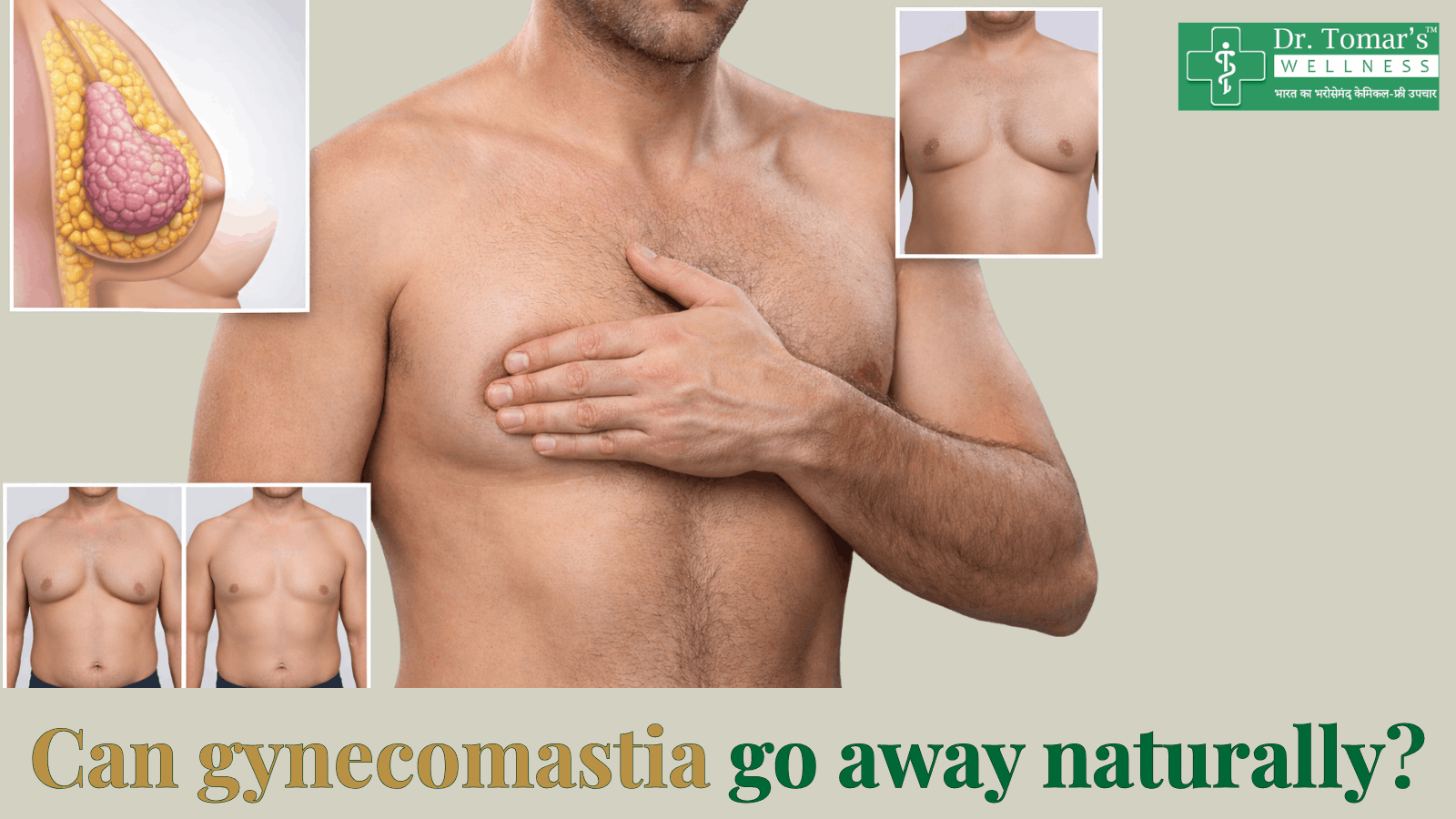

Gynecomastia is a condition that causes enlargement of male breast tissue. For many men and teenage boys, it can be confusing, uncomfortable, and sometimes embarrassing.
Gynecomastia can go away naturally in newborns and many teenagers as hormone levels stabilize. However, in adult men, especially when the condition lasts longer than 12 months, natural reversal becomes unlikely and medical treatment may be required.
A common question people ask is:
Can gynecomastia go away naturally without treatment?
The answer is yes — in some cases. However, whether gynecomastia disappears on its own depends on factors such as age, hormone levels, underlying causes, and how long the condition has been present.
In this guide, you’ll learn when gynecomastia resolves naturally, when it becomes permanent, and what treatment options are available.
Gynecomastia is the enlargement of glandular breast tissue in males, usually caused by a hormonal imbalance between estrogen and testosterone.
It is different from simple chest fat. True gynecomastia involves actual growth of breast gland tissue rather than fat accumulation.
The condition commonly affects:
Newborn boys
Teenage boys during puberty
Adult men, especially over age 50
Gynecomastia may occur in one or both breasts and can sometimes cause tenderness or nipple sensitivity.
The main cause of gynecomastia is a hormonal imbalance.
Although men naturally produce small amounts of estrogen, breast tissue enlargement can occur when estrogen levels increase or testosterone levels decrease.
Common causes include:
Hormonal changes during puberty
Aging
Obesity
Certain medications
Anabolic steroid use
Liver or kidney disease
Thyroid disorders
Alcohol or recreational drug use
Understanding the cause helps determine whether gynecomastia can improve naturally.
Newborn boys sometimes develop temporary breast swelling due to exposure to maternal estrogen during pregnancy.
In most cases:
The swelling disappears within a few weeks
No treatment is required
Gynecomastia during puberty is very common. Studies show that up to 60–70% of teenage boys experience temporary breast enlargement.
Typically:
It appears between ages 10 and 14
Hormones gradually stabilize
The condition resolves within 6 months to 2 years
Most teenagers do not need medical treatment.
In adults, natural reversal is less common.
General timeline:
Less than 6 months: May improve if the cause is corrected
6–12 months: Partial improvement may occur
More than 12 months: Usually permanent without treatment
Long-standing gynecomastia becomes fibrotic, meaning the tissue hardens and rarely shrinks naturally.
Many men mistake chest fat for gynecomastia.
Firm or rubbery tissue under the nipple
Caused by hormonal imbalance
Often resistant to exercise
Caused by excess body fat
Common in overweight individuals
Improves with diet and exercise
A proper diagnosis is important before deciding on treatment.
Exercise can improve chest appearance in certain situations.
Enlargement is caused by fat
You are overweight
You combine strength training with fat loss
Helpful exercises include:
Push-ups
Bench press
Chest fly exercises
Cardio workouts
Glandular tissue is present
Gynecomastia has lasted longer than one year
Hormonal imbalance continues
Exercise cannot remove glandular breast tissue.
Early-stage gynecomastia may improve with lifestyle changes such as:
Avoiding anabolic steroids
Limiting alcohol consumption
Avoiding recreational drugs
Reviewing medications with a doctor
Maintaining a healthy weight
Treating underlying medical conditions
Addressing the root cause allows hormones to rebalance naturally.
Gynecomastia is unlikely to resolve on its own when:
The condition lasts longer than 12 months
Breast tissue feels firm and non-tender
Hormonal imbalance persists
An underlying medical condition exists
Enlargement develops later in adulthood
Medical evaluation is recommended in these situations.
During early stages, doctors may prescribe medications that help block estrogen effects or restore hormonal balance.
These treatments are most effective when started early.
Surgery is considered the most effective long-term treatment for persistent gynecomastia.
Procedures may include:
Liposuction to remove fat
Surgical excision of glandular tissue
Combination procedures
Surgery is often chosen when the condition causes physical discomfort or emotional distress.
Non-Surgical Gynecomastia Treatment Package (3 Month) for Men
Although gynecomastia is usually not medically dangerous, it can affect confidence and mental well-being.
Many men avoid:
Swimming pools
Tight clothing
Gym activities
If the condition affects your self-esteem or daily life, consulting a healthcare professional can help you explore effective solutions.
Consult a doctor if you notice:
Sudden breast enlargement
Pain or nipple discharge
A hard lump on one side only
Symptoms of hormonal imbalance
Enlargement lasting longer than one year
A medical evaluation may include:
Physical examination
Blood tests
Imaging studies if necessary
Early diagnosis improves treatment outcomes.
Here’s a simple summary:
Newborns: Almost always resolves naturally
Teenagers: Usually disappears within 1–2 years
Adults (early stage): May improve if the cause is corrected
Long-standing adult cases: Unlikely to resolve without treatment
If enlargement is caused by excess fat, weight loss may help. However, true glandular gynecomastia lasting more than a year usually requires medical treatment.
Weight loss can improve chest fat (pseudogynecomastia), but it does not remove glandular breast tissue.
Puberty-related gynecomastia typically resolves within 6 months to 2 years.
Long-standing gynecomastia lasting over 12 months is often permanent without treatment.
Exercise improves chest shape and fat loss but cannot eliminate glandular tissue.
Gynecomastia can go away naturally in some situations, particularly during infancy and puberty. However, duration and underlying causes play a major role in recovery.
If you are unsure about your condition, early medical consultation can help determine the best treatment approach.
Gynecomastia is common, treatable, and nothing to be ashamed of — effective solutions are available.
Dr. Jitender Tomar is an Electropathy practitioner with 23+ years of clinical experience in natural and holistic healthcare. Through Dr Tomars Wellness, he shares educational insights on preventive health, early disease symptoms, and lifestyle-based wellness approaches to help readers make informed health decisions.







 drtomarswellness.com





Leave a comment