No products in the cart.
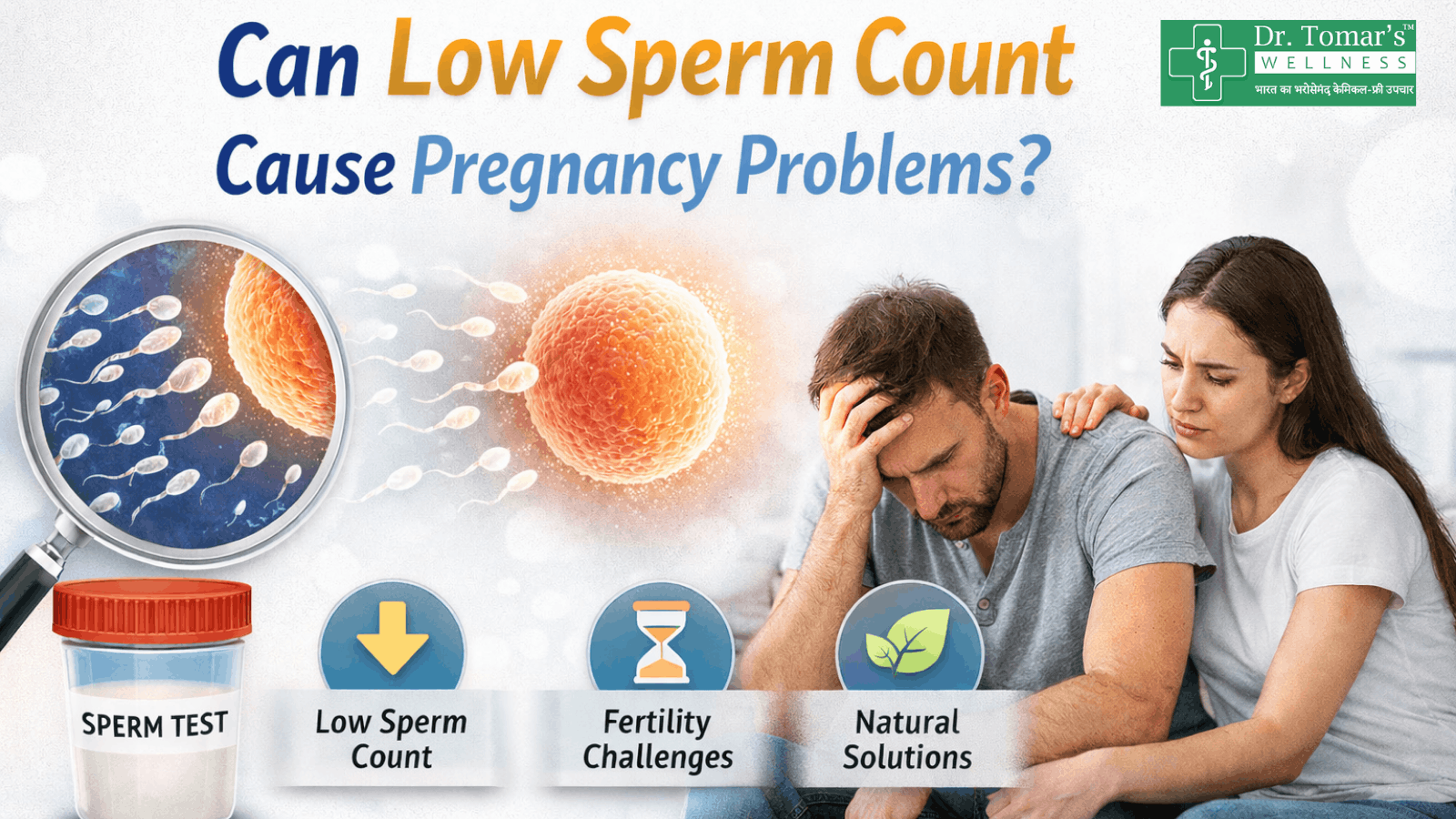

When couples face difficulty conceiving, attention is often directed toward female fertility. However, medical research shows that male factors contribute to nearly 40–50% of infertility cases, and one of the most common reasons is low sperm count.
Many couples wonder:
Can low sperm count cause pregnancy problems?
The answer is yes. Low sperm count can reduce the chances of fertilization and may delay pregnancy. However, it does not necessarily mean infertility is permanent. In many situations, sperm health can improve with proper lifestyle changes and supportive treatment approaches.
Understanding the causes and available treatment options is the first step toward improving fertility naturally.
Low sperm count, medically known as oligospermia, occurs when semen contains fewer sperm than the normal range required for effective fertilization.
According to fertility experts:
Normal sperm count: 15 million or more sperm per milliliter of semen
Low sperm count: Less than 15 million sperm per milliliter
Sperm play an essential role in pregnancy because one healthy sperm must reach and fertilize the egg. When sperm numbers decrease, the likelihood of successful fertilization becomes lower.
However, sperm count is only one factor. Sperm movement (motility) and shape (morphology) also influence fertility outcomes.
Pregnancy occurs when sperm successfully fertilizes a woman’s egg during ovulation. With fewer sperm available, the chances of this process happening naturally may reduce.
Low sperm count can cause pregnancy challenges such as:
Longer time required to conceive
Reduced fertilization chances during ovulation
Increased emotional stress for couples
Need for fertility evaluation or treatment
In mild cases, pregnancy may still occur naturally but may take several months or longer. Severe low sperm count may require medical or supportive treatment to improve fertility potential.
Most men with low sperm count do not notice obvious symptoms. The condition often becomes apparent only when pregnancy does not occur after regular attempts.
Possible signs may include:
Difficulty conceiving after one year of trying
Reduced sexual desire in some cases
Hormonal imbalance symptoms
Erectile or ejaculation issues
Testicular discomfort or swelling
A semen analysis test is the most accurate way to diagnose sperm count problems.
Several physical, medical, and lifestyle factors can affect sperm production.
Modern lifestyle habits are one of the leading contributors to declining male fertility.
Common causes include:
Smoking and tobacco use
Excessive alcohol consumption
Chronic stress
Poor nutrition
Obesity
Lack of physical activity
Sleep deprivation
Certain health conditions may also interfere with sperm production.
These include:
Hormonal imbalance
Varicocele (enlarged veins in the testicles)
Infections affecting reproductive organs
Diabetes
Thyroid disorders
Previous surgeries or injuries
Environmental exposure can also impact reproductive health.
Examples include:
Heat exposure from laptops or hot baths
Pollution
Chemical exposure
Radiation
Even small long-term exposures may gradually affect sperm quality.
The encouraging news is that sperm production is a continuous process. The body produces new sperm approximately every 70 to 90 days, which means improvement is possible when underlying causes are addressed.
Natural improvement usually focuses on strengthening overall reproductive health.
Helpful steps include:
Eating a nutrient-rich diet
Regular physical activity
Maintaining healthy body weight
Reducing alcohol and smoking
Managing stress levels
Getting adequate sleep
Many men begin noticing improvements when these habits are followed consistently.
In recent years, some individuals have shown growing interest in alternative and natural treatment systems such as electropathy, which focuses on supporting the body’s internal balance using plant-based formulations.
Electropathy treatment approaches aim to improve overall body function rather than targeting symptoms alone.
Practitioners often use this system to help:
Support reproductive gland activity
Improve blood circulation to reproductive organs
Encourage hormonal balance naturally
Enhance vitality and energy levels
Support healthier sperm production over time
One of the reasons people explore electropathy treatment is its focus on gradual improvement without aggressive intervention. When combined with lifestyle correction and proper nutrition, it may help support reproductive wellness naturally.
As with any treatment approach, guidance from a qualified practitioner is important for safe and effective results.
Simple daily habits can significantly influence sperm health.
Foods rich in antioxidants may support sperm production, including:
Fresh fruits and vegetables
Nuts and seeds
Whole grains
Zinc-rich foods
Omega-3 fatty acids
High temperatures can negatively affect sperm production.
Try to avoid:
Frequent sauna or hot baths
Tight clothing
Long laptop use directly on the lap
Stress hormones may interfere with testosterone production.
Activities such as walking, yoga, meditation, or relaxation exercises may help maintain hormonal balance.
Medical evaluation is recommended if:
Pregnancy has not occurred after 12 months of trying
Known reproductive or hormonal issues exist
Testicular pain or swelling occurs
Sexual health problems develop
Early diagnosis helps identify treatable causes and improves outcomes.
Low sperm count can make pregnancy more difficult by reducing the chances of fertilization. However, it does not always prevent conception.
Many men successfully improve fertility through healthier lifestyle habits and supportive treatment approaches that focus on overall reproductive health.
Natural systems such as electropathy treatment are increasingly considered by individuals seeking gradual and holistic improvement without invasive procedures.
With patience, consistency, and proper guidance, improving sperm health is often possible.
Yes, pregnancy is still possible, although it may take longer depending on sperm quality and overall reproductive health.
Since sperm regeneration takes around 2–3 months, improvement may become noticeable after consistent treatment and lifestyle changes.
Yes, chronic stress can disrupt hormones involved in sperm production.
In many cases, yes. Lifestyle changes and supportive treatments can help improve sperm production.
Medical Disclaimer: This article is intended for informational purposes only and should not replace professional medical advice. Consult a qualified healthcare professional for proper diagnosis and fertility treatment guidance.
Dr. Jitender Tomar is an Electropathy practitioner with 23+ years of clinical experience in natural and holistic healthcare. Through Dr Tomars Wellness, he shares educational insights on preventive health, early disease symptoms, and lifestyle-based wellness approaches to help readers make informed health decisions.









 drtomarswellness.com




Leave a comment