No products in the cart.


Gynecomastia — often casually referred to as “man boobs” — is the enlargement of male breast tissue caused by a hormonal imbalance. Normally, testosterone keeps breast tissue growth in check, while estrogen encourages it. When estrogen becomes relatively higher than testosterone, breast gland tissue may enlarge along with nearby fat.
Gynecomastia is more common than most people think. Studies suggest that 32% to 65% of males experience it at some point in their lives. While many cases resolve naturally, some may require lifestyle changes, medical therapy, or surgical intervention depending on the underlying cause.

Gynecomastia develops when the body’s hormone levels shift — either due to natural growth phases, lifestyle choices, medical conditions, or certain medications.
Testosterone naturally declines after age 30. In older men, lower testosterone combined with certain medications or health issues can trigger breast tissue growth. Research shows that 24%–65% of men aged 50–80 experience gynecomastia.
Hormones fluctuate rapidly during puberty. About 60% of adolescent boys show signs of gynecomastia, most of which resolve within 1–3 years as hormone levels stabilize.
Fat tissue contains aromatase — an enzyme that converts testosterone to estrogen. Elevated body fat increases estrogen levels and promotes fat storage on the chest, worsening gynecomastia or creating pseudo-gynecomastia (fat-based chest enlargement).
Certain illnesses disturb hormone production and can lead to gynecomastia:
Testicular trauma or tumors
Hyperthyroidism
Liver or kidney failure
Malnutrition
Pituitary or hypothalamic tumors
Klinefelter syndrome
Almost 20% of gynecomastia cases are linked to drugs or medications. These include:
Alcohol
Anabolic steroids
Heroin, methadone, amphetamines
Some HIV medications
Certain blood pressure drugs
Antipsychotics
Some antidepressants
While not a cure, these herbal formulations can support metabolism, glandular health, and hormonal balance:
🔗 Available here: https://drtomarswellness.com/product/gynecomastia-treatment-plan-3-month/
For those seeking a structured, doctor-designed natural protocol, Dr. Tomar’s Gynecomastia Treatment Plan (3 Month) provides a guided approach.
This plan combines multiple synergistic formulations curated to address:
Hormonal imbalance
Metabolic dysfunction
Stubborn chest fat
Glandular swelling
Lymphatic stagnation
Systematic detoxification
Better testosterone–estrogen balance
Improved fat metabolism
Reduction of puffiness and chest heaviness
Natural shrinkage of tissue over consistent use
A more balanced, masculine chest contour
This program works gradually and naturally, making it suitable for those who want a non-surgical, holistic method backed by long-term lifestyle improvements.
Helps support the endocrine system and male gland health. Useful for individuals experiencing hormonal imbalance-related chest swelling.
Helps support fat metabolism and may assist in reducing stubborn chest and abdominal fat when used consistently with diet and exercise.
Helps manage fatty tissues and nodules in the body. Some users with pseudo-gynecomastia (fat-based enlargement) find this supportive.
These products, when combined with lifestyle changes, may support:
Better metabolism
Hormonal stability
Reduction of stubborn chest fat
Improved lymphatic and glandular circulation
There is no scientifically proven supplement that cures gynecomastia. But certain herbal formulations may support hormonal stability, metabolism, and fat reduction — helping improve the condition when used consistently with lifestyle modification.
This is where products from Dr. Tomar’s Wellness can support natural recovery.
Avoid:
Tight T-shirts
Compression shirts
White or very light-colored tops
Wear instead:
Patterned shirts
Layered or thicker fabrics
Darker colors
Suits with vertical stripes
Reduce alcohol consumption
Sleep at least 7 hours per night
Manage stress
Perform 150 minutes of moderate exercise weekly
Add strength training twice a week
Choose minimally processed, balanced meals
Focus on nutrients that support testosterone production:
Vitamin D
Zinc
High-quality protein
Foods that help: tuna, egg yolks, oysters, leafy greens.
Reduce phytoestrogen-rich foods, such as soy, legumes, and licorice, if you are sensitive to them — though research is still mixed.
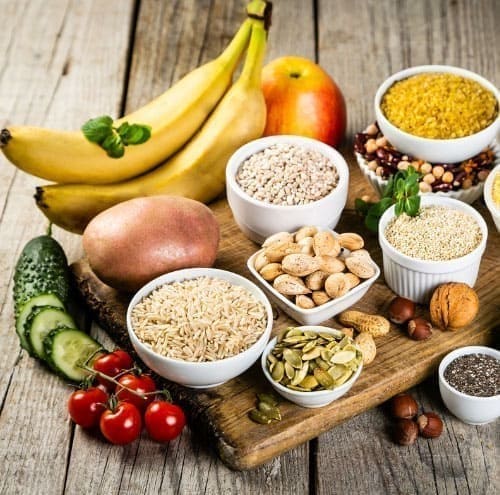
This diet helps reduce overall body fat and inflammation through:
Fresh vegetables & fruits
Whole grains
Lean proteins
Olive oil & nuts
Visible body changes usually require 6–8 weeks of consistent diet and exercise.
You cannot “spot-reduce” chest fat with chest exercises alone.
However:
Cardio helps lower overall body fat
Push-ups, dumbbell presses, and chest workouts build muscle and improve chest shape
Aim for longer, consistent sessions of any aerobic activity: walking, running, cycling, swimming, rowing, etc.
Seek medical attention if you notice:
Persistent or painful breast swelling
Nipple discharge
Rapid growth of one breast
Symptoms of hormonal or thyroid disorders
A doctor can perform hormone tests, imaging (mammogram/ultrasound), or examine for underlying conditions that may require treatment.
Treatment depends on the cause:
Managing thyroid issues, liver disease, nutrient deficiencies, or hormonal disorders often improves symptoms.
If a drug is contributing, your doctor may replace it or lower the dose.
Testosterone replacement (TRT) may help men with clinically low testosterone.
Some doctors may prescribe:
Tamoxifen
Raloxifene
These medications are typically used in breast cancer but can help reduce breast gland tissue in some cases.
If gynecomastia is severe or long-standing:
Liposuction removes excess fat
Mastectomy removes gland tissue
This is often recommended when gynecomastia causes significant discomfort or social distress.
Yes. Many cases—especially puberty-related—resolve without treatment.
Most cases are harmless. There is a slight increase in breast cancer risk, but it remains very low overall.
It can help only if low testosterone is the cause. A doctor must evaluate this before treatment.
Gynecomastia is a common condition that can affect males at any age. It’s usually caused by a shift in hormone balance, lifestyle habits, medications, or medical conditions. Most cases are harmless, and many improve naturally.
For persistent or bothersome symptoms, lifestyle modification, medical evaluation, and in some cases, medications or surgery can provide relief.







 drtomarswellness.com






Leave a comment