
No products in the cart.
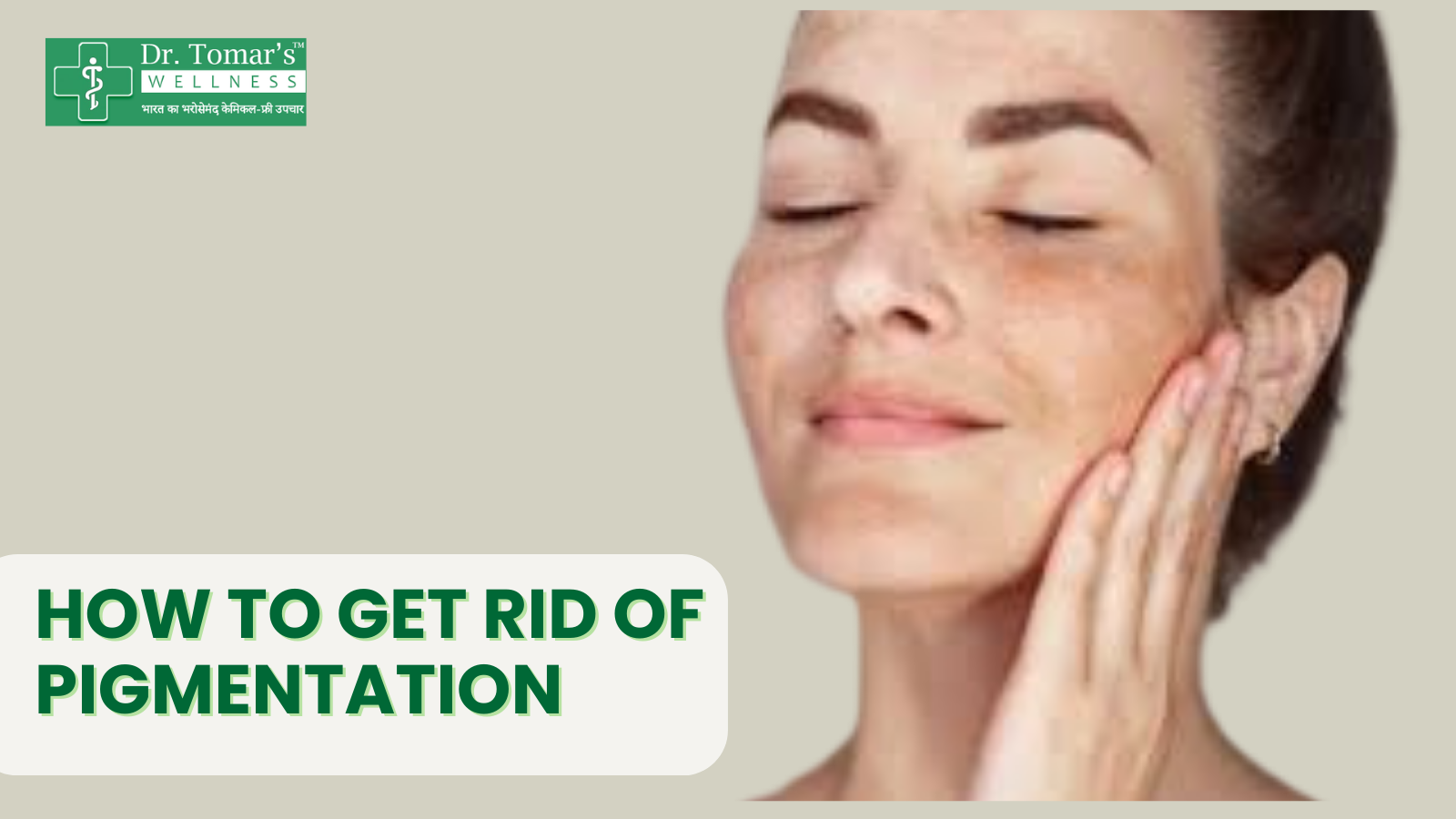
Skin pigmentation is one of the most common cosmetic concerns affecting both men and women. Whether it’s dark spots, melasma, sun spots, or post-acne marks, uneven skin tone can impact confidence and self-esteem. A question dermatologists hear almost daily is: Can pigmentation be cured permanently?
The honest answer is: It depends on the type, cause, and how well you maintain your skin after treatment. Some forms of pigmentation can be significantly reduced or even cleared long-term, while others may return if triggers are not controlled.
In this detailed guide, we’ll explore what pigmentation really is, why it happens, treatment options available, and whether permanent results are truly possible.
What Is Skin Pigmentation?
Pigmentation refers to the coloring of the skin caused by a natural pigment called melanin. Melanin is produced by specialized cells known as melanocytes. When these cells produce excess melanin in certain areas, it leads to dark patches or spots.
Pigmentation can appear anywhere on the body but is most common on the face, neck, hands, and arms—areas frequently exposed to sunlight.
Common Types of Pigmentation
Understanding the type of pigmentation is crucial because treatment outcomes vary depending on the cause.
1. Sun Spots (Solar Lentigines)
These are flat brown spots caused by prolonged sun exposure. They commonly appear in people over 30 and tend to increase with age.
2. Melasma
Melasma appears as larger, patchy brown or grayish areas, usually on the cheeks, forehead, nose, and upper lip. It is often triggered by hormonal changes, pregnancy, birth control pills, or sun exposure.
3. Post-Inflammatory Hyperpigmentation (PIH)
This occurs after skin inflammation or injury, such as acne, eczema, burns, or cosmetic procedures. Dark marks remain even after the original condition heals.
4. Freckles
Freckles are small brown spots often influenced by genetics and sun exposure.
Each type behaves differently—and so does its response to treatment.
What Causes Pigmentation?
Pigmentation usually develops due to one or more of the following factors:
Excess sun exposure (UV damage)
Hormonal changes
Acne or skin injuries
Aging
Genetics
Certain medications
Thyroid disorders
Sun exposure is the biggest trigger. Even the best treatment won’t give lasting results if UV protection is ignored.
Can Pigmentation Be Permanently Cured?
Now let’s address the big question.
The Short Answer:
Some pigmentation can be permanently reduced, but not all pigmentation can be permanently cured without maintenance.
Here’s why:
If the root cause is eliminated (for example, acne), the pigmentation may fade and not return.
If the trigger continues (such as sun exposure or hormones), pigmentation may come back.
The key to long-term results is treatment plus prevention.
Treatment Options for Pigmentation
There is no one-size-fits-all solution. Treatment depends on the depth of pigmentation (epidermal vs. dermal) and its cause.
1. Topical Treatments
These are often the first line of treatment.
Common ingredients include:
Hydroquinone
Retinoids
Vitamin C
Azelaic acid
Kojic acid
Niacinamide
Alpha arbutin
These ingredients reduce melanin production and promote skin cell turnover.
Results:
Visible improvement in 6–12 weeks
Works well for mild to moderate pigmentation
Requires consistent use
However, stopping treatment abruptly without sun protection can lead to recurrence.
2. Chemical Peels
Chemical peels use mild acids to exfoliate the top layer of skin and fade dark spots.
Benefits:
Improves skin tone
Reduces superficial pigmentation
Boosts collagen
Multiple sessions are usually needed, and maintenance treatments may be required.
3. Laser Treatment
Laser therapy targets melanin directly, breaking down excess pigment.
Best for:
Sun spots
Freckles
Some types of melasma
Lasers can give dramatic results. However:
Melasma can recur
Sun protection is mandatory
Multiple sessions may be needed
While lasers can significantly reduce pigmentation, they don’t guarantee lifetime results without maintenance.
4. Microneedling
Microneedling stimulates skin regeneration and helps fade pigmentation over time. It is often combined with serums for enhanced results.
5. Oral Medications
In some cases, dermatologists may prescribe oral medications (such as tranexamic acid) for melasma.
These help control pigmentation internally but must be used under medical supervision.
Why Pigmentation Often Comes Back
Pigmentation recurrence usually happens because:
Sunscreen is not used regularly
Hormonal imbalance persists
Underlying inflammation continues
Skin barrier is damaged
Aggressive treatments irritate the skin
Pigmentation is often a chronic condition that requires ongoing care.
How to Prevent Pigmentation from Returning
If you want long-lasting results, prevention is essential.
1. Use Sunscreen Daily
Apply a broad-spectrum SPF 30 or higher every single day—even indoors. Reapply every 2–3 hours if outdoors.
This is non-negotiable.
2. Avoid Peak Sun Hours
Try to limit sun exposure between 10 AM and 4 PM.
3. Wear Protective Clothing
Hats, sunglasses, and protective clothing reduce UV exposure.
4. Maintain a Gentle Skincare Routine
Avoid harsh scrubs or over-exfoliation. Skin irritation can trigger more pigmentation.
5. Treat Acne Early
Prevent post-inflammatory marks by managing acne properly.
Is Home Treatment Enough?
Mild pigmentation can often improve with consistent skincare and sun protection.
However, deep or stubborn pigmentation (especially melasma) usually requires professional treatment for significant improvement.
DIY remedies like lemon juice or baking soda are not recommended. They can irritate the skin and worsen pigmentation.
Can Natural Remedies Cure Pigmentation Permanently?
Natural ingredients like aloe vera, turmeric, and licorice extract may help brighten skin gradually. However, they rarely eliminate moderate to severe pigmentation permanently.
They can support professional treatments but are unlikely to work alone for deep pigmentation.
Realistic Expectations
Here’s what you should know:
Epidermal pigmentation (surface level) responds better and may clear long-term.
Dermal pigmentation (deeper) is harder to treat.
Melasma tends to be chronic and recurring.
Sun spots respond well to lasers and may not return if sun protection is maintained.
PIH usually fades permanently if the underlying cause is resolved.
Pigmentation management is often a long-term commitment rather than a one-time cure.
When to See a Dermatologist
Consult a skin specialist if:
Pigmentation is spreading quickly
Dark patches appear suddenly
Over-the-counter products aren’t working
You suspect hormonal imbalance
Pigmentation affects your confidence significantly
Professional evaluation ensures accurate diagnosis and safe treatment.
Final Verdict: Can Pigmentation Be Cured Permanently?
Pigmentation can be significantly reduced and controlled long-term—but permanent cure depends on the type and whether triggers are eliminated.
For some people, pigmentation fades and never returns. For others, especially those with melasma or hormonal triggers, maintenance is necessary.
The most powerful combination for lasting results is:
Professional treatment + daily sunscreen + gentle skincare + trigger control.
Clear, even-toned skin is achievable—but consistency is the real secret to keeping it that way.
If you’re struggling with pigmentation, start with sun protection today. It’s the simplest step that makes the biggest difference.


 drtomarswellness.com








Leave a comment